Tema dan Makna Natal 2025: Merayakan Kasih, Damai, dan Harapan Baru
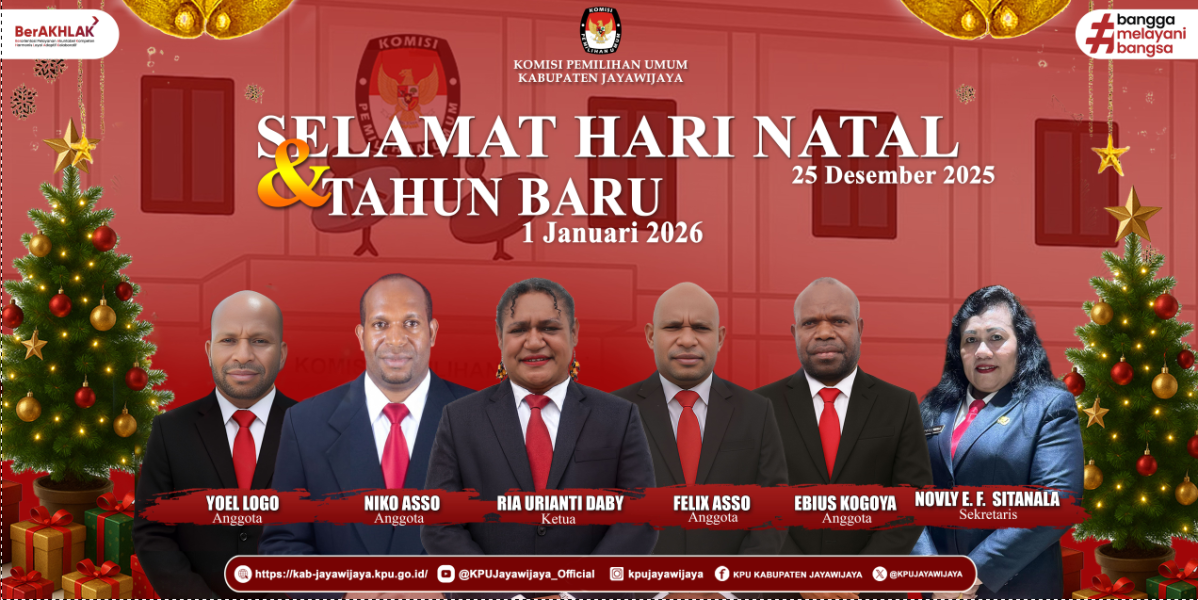
Natal 2025 akan kembali menjadi salah satu momen paling dinantikan dan dirayakan oleh jutaan umat di seluruh dunia. Perayaan yang selalu jatuh pada tanggal 25 Desember ini tidak hanya dimaknai sebagai tradisi keagamaan bagi umat Kristiani, tetapi telah berkembang menjadi simbol universal tentang kasih, kedamaian, persatuan, dan harapan baru. Setiap tahun, masyarakat menunggu datangnya Natal untuk menikmati suasana hangat bersama keluarga, merayakan tradisi khas, serta merenungkan makna terdalam dari kelahiran Yesus Kristus. Di berbagai negara, perayaan Natal 2025 juga menjadi momentum untuk mempererat hubungan, saling mengunjungi sanak saudara, hingga melakukan kegiatan solidaritas sosial bagi mereka yang membutuhkan. Lebih dari sekadar hari libur, Natal telah menjadi bagian penting dari identitas budaya global, di mana setiap keluarga memiliki cara unik dalam merayakannya mulai dari ibadah malam Natal, makan malam keluarga, bertukar kado, hingga menghiasi rumah dengan pohon dan ornamen khas. Dengan berkembangnya zaman, makna dan tema Natal 2025 semakin kuat sebagai refleksi spiritual, sekaligus sebagai ajang memperbarui harapan dan berkomitmen menjadi pribadi yang lebih baik di tahun berikutnya. Suasana damai, pesan cinta kasih, serta tradisi panjang yang mengiringi Natal menjadikan momen ini terus relevan dan bermakna lintas generasi. Baca juga : Refleksi Natal 2025 dan Menyongsong Tahun Baru 2026: Semangat Baru untuk Pelayanan Publik di KPU Kabupaten Jayawijaya Apa Tema Natal 2025? Secara global, tema Natal tidak ditentukan oleh satu lembaga internasional, namun beberapa gereja besar dunia dan organisasi keagamaan memberikan arah makna yang sering dijadikan rujukan. Secara umum, Natal 2025 diprediksi tetap membawa tema universal yang mencakup: 1. Kasih yang Menguatkan Natal selalu identik dengan cinta kasih—baik dalam keluarga, gereja, maupun masyarakat luas. Tema ini sejalan dengan pesan utama kelahiran Yesus Kristus sebagaimana tercantum dalam Injil Lukas 2:14, yaitu membawa damai dan kasih kepada manusia. 2. Damai di Tengah Perubahan Dunia Dunia yang terus berubah menghadirkan tantangan baru. Natal 2025 menjadi waktu bagi umat untuk mengingat pentingnya kedamaian batin, perdamaian sosial, dan keharmonisan antar sesama. 3. Harapan Baru Memasuki Tahun 2026 Akhir tahun selalu menjadi momen refleksi. Natal 2025 membawa pesan bahwa meskipun masa depan tidak selalu pasti, harapan akan selalu ada bagi mereka yang tetap teguh dan saling mendukung. 4. Kebersamaan Tanpa Batas Natal menekankan persatuan, melampaui perbedaan suku, budaya, dan bahasa. Semangat berbagi dan kepedulian sosial menjadi ciri khas yang ingin terus dipertahankan di setiap perayaan. Makna Natal 2025 1. Makna Rohani Natal adalah peringatan kelahiran Yesus Kristus—sebuah peristiwa penting dalam ajaran Kristen. Menurut Ensiklopedia Britannica, Natal mulai dirayakan secara resmi pada abad ke-4 dan sejak itu menjadi salah satu perayaan terbesar umat Kristen di dunia. Makna rohani yang diingat setiap tahun adalah: Tuhan hadir membawa terang bagi dunia Kelahiran Yesus membawa pengharapan baru Ajaran kasih menjadi landasan hidup masyarakat 2. Makna Sosial Natal 2025 juga mengajak masyarakat untuk saling menguatkan dan membantu sesama. Banyak tradisi seperti berbagi makanan, kegiatan amal, dan kunjungan sosial yang mencerminkan makna ini. 3. Makna Keluarga Natal menjadi momen yang mempertemukan keluarga. Tradisi berkumpul, makan bersama, tukar kado, hingga doa bersama menjadi aktivitas yang mempererat hubungan antar anggota keluarga. 4. Makna Pengharapan Di tengah tantangan global, Natal 2025 memberikan ruang bagi setiap orang untuk merenung tentang apa yang telah dicapai, apa yang perlu diperbaiki, dan apa yang ingin diwujudkan pada tahun baru. Tradisi Natal 2025 yang Diperkirakan Tetap Populer 1. Dekorasi Pohon Natal Pohon Natal melambangkan kehidupan. Tradisi ini berasal dari Eropa dan masih dipertahankan hingga kini di seluruh dunia, termasuk Indonesia. 2. Ibadah Malam Natal (Christmas Eve) Pada malam 24 Desember, umat Kristen di berbagai negara melaksanakan ibadah sebagai bentuk syukur atas kelahiran Yesus. 3. Lagu-lagu Natal Musik Natal seperti “Silent Night”, “Joy to the World”, dan versi lokal seperti "Malam Kudus" akan kembali mendominasi suasana bulan Desember. 4. Kegiatan Sosial dan Berbagi Kebaikan Natal juga menjadi momen di mana banyak gereja, komunitas, dan individu melakukan kegiatan sosial untuk membantu masyarakat yang membutuhkan. Baca juga : Hari Natal Tanggal Berapa? Makna, Tradisi, dan Refleksi Menyambut Natal 2025 Mengapa “Natal 2025” Penting Dibahas Sejak Sekarang? Pertanyaan terkait Natal 2025 menjadi populer karena: Masyarakat mulai menyiapkan agenda akhir tahun lebih awal Banyak yang merencanakan liburan, ibadah, atau acara keluarga jauh sebelum Desember tiba. Media dan konten kreator menyiapkan materi bertema Natal Konten Natal adalah salah satu yang paling dicari di Google setiap akhir tahun. Perusahaan menyiapkan program Natal Termasuk promo, acara internal, hingga kegiatan CSR (Corporate Social Responsibility). Gereja mempersiapkan liturgi dan kegiatan ibadah Tema besar Natal biasanya menjadi dasar penyusunan khotbah, renungan, dan program pelayanan.