Artikel KPU Kab. Jayawijaya

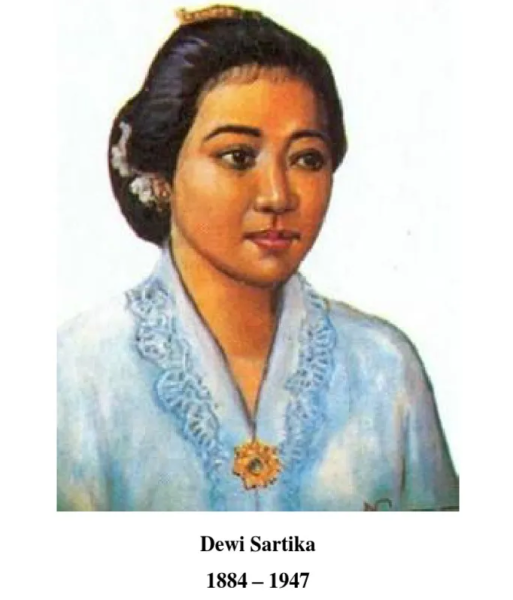
Dewi Sartika: Pelopor Pendidikan Wanita, Pahlawan Kemerdekaan Nasional dari Tanah Sunda

Wamena – Raden Dewi Sartika (1884–1947) dikenang sebagai tokoh perintis pendidikan untuk kaum wanita di Jawa Barat. Perjuangannya dalam mendobrak tradisi dan memperjuangkan hak belajar bagi perempuan telah menjadikannya salah satu pahlawan wanita paling berpengaruh di Indonesia. Biografi Dewi Sartika Raden Dewi Sartika lahir di Cicalengka, Bandung, pada 4 Desember 1884. Ia berasal dari keluarga bangsawan Sunda (priyayi), putri dari Raden Somanagara dan Raden Ayu Rajapermas. Meskipun bertentangan dengan adat istiadat saat itu, orang tuanya menyekolahkan Dewi Sartika di Europeesche Lagere School (ELS). Setelah ayahnya wafat, Dewi Sartika diasuh oleh pamannya, Patih Arya Cicalengka. Dalam lingkungan kepatihan, ia mendapatkan pengetahuan adat dan budaya Sunda, sementara wawasan kebudayaan Barat diperoleh dari seorang Nyonya Asisten Residen berkebangsaan Belanda. Sejak kecil, ia sudah menunjukkan bakat mengajar. Sambil bermain di halaman belakang kepatihan, ia sering berlagak menjadi guru, mengajari anak-anak pembantu membaca, menulis, dan berbahasa Belanda. Pada tahun 1906, ia menikah dengan Raden Kanduruan Agah Suriawinata, seorang guru yang memiliki visi yang sama dengannya dalam memajukan pendidikan. Baca Juga : R.A. Kartini: Perempuan Hebat Pembawa Perubahan Fakta-Fakta Menarik dari Dewi Sartika "Bermain" Sekolah-Sekolahan: Saat kecil, ia menggunakan papan bilik kandang kereta, arang, dan pecahan genting sebagai alat bantu belajar saat bermain peran sebagai guru bagi anak-anak di kepatihan. Sekolah Pertama di Jawa Barat untuk Perempuan: Dengan bantuan pamannya, Bupati Bandung R.A.A. Martanegara, Dewi Sartika berhasil mewujudkan impiannya mendirikan sekolah pada 16 Januari 1904. Sekolah ini awalnya bernama Sekolah Istri dan berlokasi di belakang rumah ibunya di Bandung. Menolak Poligami: Dewi Sartika adalah tokoh yang menentang praktik poligami dan bahkan menolak untuk menjadi istri kedua dari seorang pria bangsawan yang terpikat padanya. Mengalami Perubahan Nama Sekolah: Sekolah Istri kemudian berganti nama menjadi Sekolah Keutamaan Istri pada tahun 1910 dan terus berkembang, membuka cabang di berbagai kota di Jawa Barat. Perjuangan Utama Dewi Sartika Apa sih yang di perjuangkan oleh Dewi Sartika? Perjuangan utama Dewi Sartika adalah memprioritaskan dan merealisasikan pendidikan bagi kaum perempuan pribumi. Pada masanya, perempuan sering kali terabaikan hak pendidikannya. Dewi Sartika percaya bahwa pendidikan adalah hak dasar dan kunci untuk memberdayakan perempuan agar dapat mandiri, meningkatkan status sosial, dan pada akhirnya, melahirkan generasi penerus bangsa yang lebih berkualitas. Melalui sekolah yang didirikannya (Sakola Istri/Sekolah Keutamaan Istri), ia mengajarkan berbagai keterampilan praktis, seperti: Keterampilan Hidup: Membaca, menulis, berhitung, menjahit, menyulam, memasak, dan mengurus rumah tangga. Penguatan Karakter: Agar perempuan pribumi memiliki harkat dan martabat yang lebih tinggi. Pengakuan dan Dasar Hukum Pahlawan Nasional Kapan Dewi Sartika Disahkan sebagai Pahlawan? Dewi Sartika disahkan sebagai Pahlawan Nasional pada 1 Desember 1966. Siapa yang Mensahkan? Penetapan ini dilakukan oleh Presiden Republik Indonesia, Soekarno. Apa Dasar Hukumnya? Dasar hukum penetapannya adalah Keputusan Presiden Republik Indonesia Nomor 252 Tahun 1966 tentang Penghargaan Kepada Saudari Raden Dewi Sartika Sebagai Pahlawan Kemerdekaan Nasional. Sebagai Pahlawan Apa? Dewi Sartika ditetapkan sebagai Pahlawan Kemerdekaan Nasional. Ia juga dikenal luas sebagai Pahlawan Perintis Pendidikan Perempuan. Raden Dewi Sartika adalah pahlawan yang mengabdikan hidupnya untuk cita-cita luhur emansipasi melalui pendidikan. Perjuangannya yang gigih mendirikan sekolah bagi perempuan di tengah keterbatasan zaman kolonial telah membuka jalan bagi kaum wanita Indonesia untuk mendapatkan hak yang setara dalam belajar dan berkarya. Penetapannya sebagai Pahlawan Kemerdekaan Nasional pada tahun 1966 merupakan pengakuan tertinggi negara atas dedikasinya yang abadi bagi kemajuan bangsa, khususnya dalam pemberdayaan perempuan. (CHCW) Referensi Keputusan Presiden Republik Indonesia Nomor 252 Tahun 1966 tentang Penghargaan Kepada Saudari Raden Dewi Sartika Sebagai Pahlawan Kemerdekaan Nasional (Diakses melalui JDIH/Peraturan BPK).
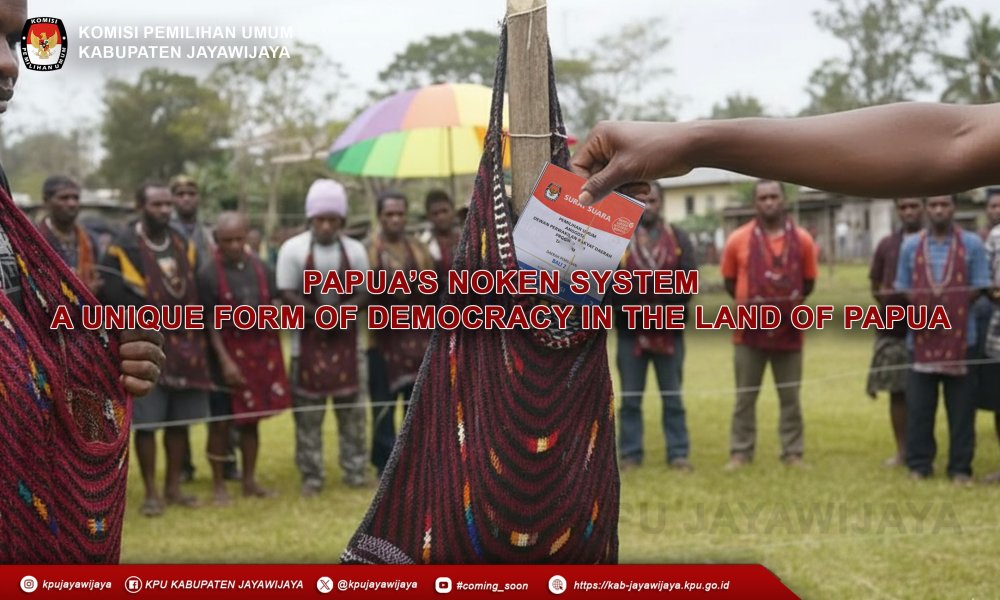
Papua Noken System: A Unique Form of Democracy in the Land of Papua

Wamena - The Noken System is a traditional Papuan voting method that embodies democratic values rooted in local wisdom. In this system, citizens do not vote directly but instead reach a communal decision through customary consensus, represented by the tribal chief. The Constitutional Court (Mahkamah Konstitusi / MK) has officially recognized this system as a legitimate form of election practice in Papua, acknowledging its respect for the region’s culture, social structure, and traditions of communal deliberation. Uniquely, this system upholds the principles of honesty, transparency, and shared responsibility within the democratic process. What Is the Noken System? The Noken System originates from the traditions of indigenous Papuan communities, who use a woven bag called noken as a symbol of agreement and unity. In the context of elections, the system serves as a customary-based method of voting through communal deliberation. The tribal chief acts as the community’s representative, casting votes based on the collective consensus of the villagers. Unlike direct voting systems practiced in other regions, the Noken System emphasizes togetherness and trust between traditional leaders and their people. This approach reflects the spirit of Papuan democracy, which values not only individual voices but also collective community decisions. Also Read : Understanding the Presidential System of Government in Detail Legal Recognition of the Noken System The Noken System received formal legal recognition through Constitutional Court Decision No. 47-81/PHPU.A-VII/2009, which declared its implementation valid in certain regions of Papua. The Court determined that the system does not violate democratic principles as long as it is conducted through mutual consent without coercion. The General Elections Commission (KPU) also affirmed that the Noken System operates within the framework of Indonesia’s national election law, under the supervision of Bawaslu (Election Supervisory Agency) and supported by documented agreements signed by tribal chiefs and community members. This recognition demonstrates that the state respects cultural diversity within the democratic process. Benefits of the Noken System for Papuan Communities Preserving Local Wisdom: The system maintains the traditions of deliberation (musyawarah) and mutual cooperation (gotong royong), which are core values of Papuan indigenous life. Encouraging Political Participation: People living in remote areas can still take part in elections through accessible customary mechanisms. Strengthening Social Solidarity: Elections are carried out collectively, fostering unity and trust among citizens. Reducing Political Conflict: Since decisions are reached through consensus, potential conflicts arising from differing choices can be minimized. Challenges and Modernization Efforts Despite its cultural significance, the Noken System faces several challenges, such as limited written documentation, resource constraints, and potential misuse by certain parties. The KPU and Bawaslu continuously conduct voter education, staff training, and multi-level supervision to ensure that the system remains transparent and consistent with the principles of Luber Jurdil (Direct, Public, Free, Confidential, Honest, and Fair Elections). Moreover, the government and election bodies are working toward digitizing the documentation of customary agreements without altering their essence, allowing the Noken System to be more easily verified and legally accountable. The Noken System as the Identity of Papuan Democracy The Noken System is not merely a voting method—it is a cultural identity and a symbol of Papuan people’s sovereignty. Through this system, the people of Papua demonstrate that democracy can take many forms, reflecting local values while preserving its universal meaning. This system serves as tangible proof that diversity does not hinder democracy; instead, it enriches Indonesia’s political practice, which is grounded in Pancasila and respect for differences. Also Read : Parliamentary System of Government: Concept, Characteristics, and Examples Conclusion The Noken System reflects the unique way Papuans exercise their political rights—through consensus, trust, and traditional values. Its recognition by the Constitutional Court illustrates the nation’s respect for cultural diversity as part of Indonesia’s democratic richness. With continued supervision and civic education, the Noken System will remain a vital democratic heritage of Papua, relevant even in the modern era. (Ar) References Constitutional Court of the Republic of Indonesia (2009). Decision No. 47-81/PHPU.A-VII/2009 on the Recognition of the Noken System in Papua. General Elections Commission of the Republic of Indonesia (KPU RI) (2024). Election Implementation in Regions Using the Noken System.

Parliamentary System of Government: Concept, Characteristics, and Examples

Wamena - The parliamentary system of government is a type of political system where the cabinet holds accountability to the parliament and may be replaced if it loses the legislature’s trust. This article provides a comprehensive overview of its definition, key features, advantages, and disadvantages, as well as examples of countries that apply this system. What Is a Parliamentary System of Government? A parliamentary system of government is a political system in which executive power originates from the legislature, and the cabinet or prime minister is accountable to parliament in order to remain in power. Etymologically, the term parliamentary comes from the French word parler, meaning “to speak” or “to talk,” reflecting a form of government centered on a parliament that actively debates and oversees the executive branch. Also read : Understanding the Presidential System of Government in Detail Definitions by Experts Maurice Duverger explains that the parliamentary system is a model in which the government is formed by the political party or coalition holding the majority in parliament, and its leader (the prime minister) must gain legislative confidence to govern. Merriam-Webster Dictionary defines it as “a system of government having the real executive power vested in a cabinet composed of members of the legislature who are individually and collectively responsible to the legislature.” According to the document “Parliamentary Form of Government,” in this system “the executive is responsible to the legislature for its policies and acts.” Main Characteristics of the Parliamentary System Key features of the parliamentary system include: The prime minister (or head of government) is chosen from parliament and comes from the majority party or coalition within the legislature. The cabinet consists of members of parliament and is collectively accountable to it. If the cabinet loses the confidence of parliament, it must resign or dissolve parliament for new elections. The head of state (a monarch or ceremonial president) does not manage daily governance; real executive power lies in the hands of the prime minister and the cabinet. There is a fusion of powers between the executive and legislative branches, unlike the strict separation found in a presidential system. Advantages of the Parliamentary System This system offers several notable benefits: Responsiveness to parliament: The government must maintain majority support, making it more transparent, accountable, and subject to legislative control. Flexibility in leadership change: If the cabinet loses parliamentary support, it can be quickly replaced without waiting for a fixed term to end, unlike in a presidential system. Strong coordination between legislative and executive branches: Because the cabinet originates from parliament, policymaking and lawmaking processes are often smoother. Broader representation through coalitions: In many multi-party parliamentary systems, coalition governments enable wider representation of diverse political and social groups. Disadvantages of the Parliamentary System Despite its advantages, the parliamentary system also presents challenges: Potential government instability: When the majority party is weak or coalitions are fragile, frequent government changes or snap elections may occur. Concentration of party power: Since the cabinet comes from parliament, the majority party can dominate decision-making, weakening opposition oversight. Lack of clear separation of powers: The fusion of the legislative and executive branches can reduce independent checks if checks and balances mechanisms are weak. Dependence on party discipline: The prime minister and cabinet rely heavily on party cohesion and parliamentary support, which may pressure policy decisions for political consolidation. Also Read : Papua Noken System: A Unique Form of Democracy in the Land of Papua Examples of Countries with Parliamentary Systems Several countries that apply the parliamentary system include: The United Kingdom Canada and Australia India Japan Other nations that position parliament as the main pillar of governance Official References “Parliamentary System.” Encyclopaedia Britannica “Parliamentary Form of Government.” Unit IV, University of Kashmir “Parliamentary System of Government.” Ulearngo “Parliamentary System.” Tone Academy Merriam-Webster Dictionary, “Parliamentary Government”

Understanding the Presidential System of Government in Detail

Wamena – The Presidential System of Government is a form of governance in which an elected president serves as both the head of state and the head of government, independently of the legislature. This article explains its definition, characteristics, advantages, and disadvantages as a complete guide for public understanding. What Is a Presidential System of Government? Etymologically, the term “presidential” comes from the English word presidential, derived from the root word president, meaning the head of state who also leads the government. The word president itself originates from the Latin praesidens (from praesidere), meaning “to lead,” “to supervise,” or “to sit in front.” In the context of political science, a presidential system is a form of government in which the president holds full executive power and is not accountable to the legislative body (parliament), but directly to the people through general elections. also read : Papua Noken System: A Unique Form of Democracy in the Land of Papua Definitions by Experts: Maurice Duverger Explains that a presidential system is a system of government in which the president is elected directly by the people and cannot be dismissed by parliament, except through legal procedures such as impeachment. Herman Finer States that the presidential system places the president as both head of state and head of government, with authority derived from the people’s mandate. C.F. Strong Describes the presidential system as one where the executive and legislative powers are clearly separated, ensuring that no institution dominates the other. Bagir Manan (Indonesian constitutional law expert) Defines the presidential system as one that emphasizes the principle of separation of powers among the executive, legislative, and judiciary in a functional manner. Main Characteristics of the Presidential System Several key features commonly found in a presidential system include: The president is elected directly by the people or through a legal mechanism, not by parliament. The president serves a fixed term of office and cannot be easily dismissed by the legislature for ordinary political reasons. The executive and legislative branches have separate legitimacies and operate independently, so parliament cannot automatically dissolve the president or cabinet merely due to loss of majority support. There exists a checks and balances mechanism among government institutions to prevent the concentration of power in one branch.  Advantages of the Presidential System However, this system also presents challenges and weaknesses, such as: Potential legislative-executive deadlock: Since the president and parliament are elected separately and operate independently, conflicts between the two branches may occur, hindering legislation and daily governance. Difficulty in leadership replacement: If a president fails in governance, it is more difficult to replace them quickly compared to a parliamentary system, where the legislature can flexibly change the prime minister. Excessive executive power: Despite existing control mechanisms, in practice the president may still have a broad maneuvering space, potentially leading to dominance if not properly checked. Countries with Presidential Systems Several countries that implement the presidential system include: The United States Indonesia The Philippines Brazil Mexico Also Read : Parliamentary System of Government: Concept, Characteristics, and Examples Relevance of the Presidential System in Indonesia Indonesia explicitly adopts the presidential system of government as stated in the 1945 Constitution (UUD 1945), particularly after the constitutional amendments. The president holds a strong position as they are elected directly by the people and have the authority to appoint ministers. However, presidential power is still supervised by the House of Representatives (DPR) and other institutions as part of the checks and balances framework. This system is considered effective in maintaining political stability because the president’s term is fixed. Nonetheless, it also demands political maturity to avoid conflicts or gaps between the executive and legislative branches. (Ar) References: The 1945 Constitution of the Republic of Indonesia Maurice Duverger, Political Parties: Their Organization and Activity in the Modern State Bagir Manan, Lembaga Kepresidenan (2003) C.F. Strong, Modern Political Constitutions Encyclopedia Britannica, “Presidential System of Government”

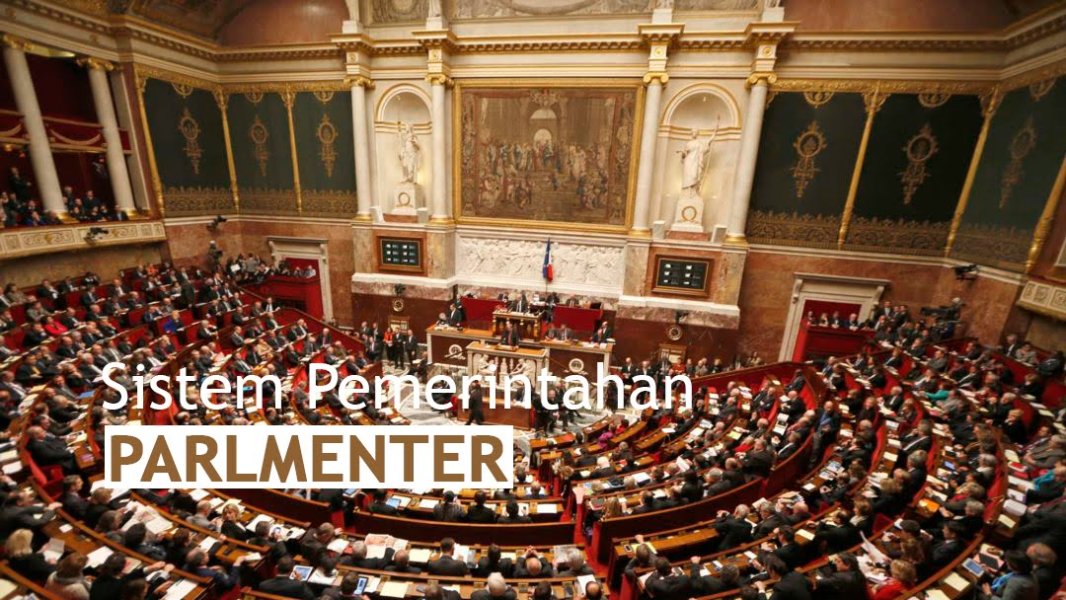
Sistem Pemerintahan Parlementer : Pengertian, Ciri, Kelebihan, dan Kekurangan

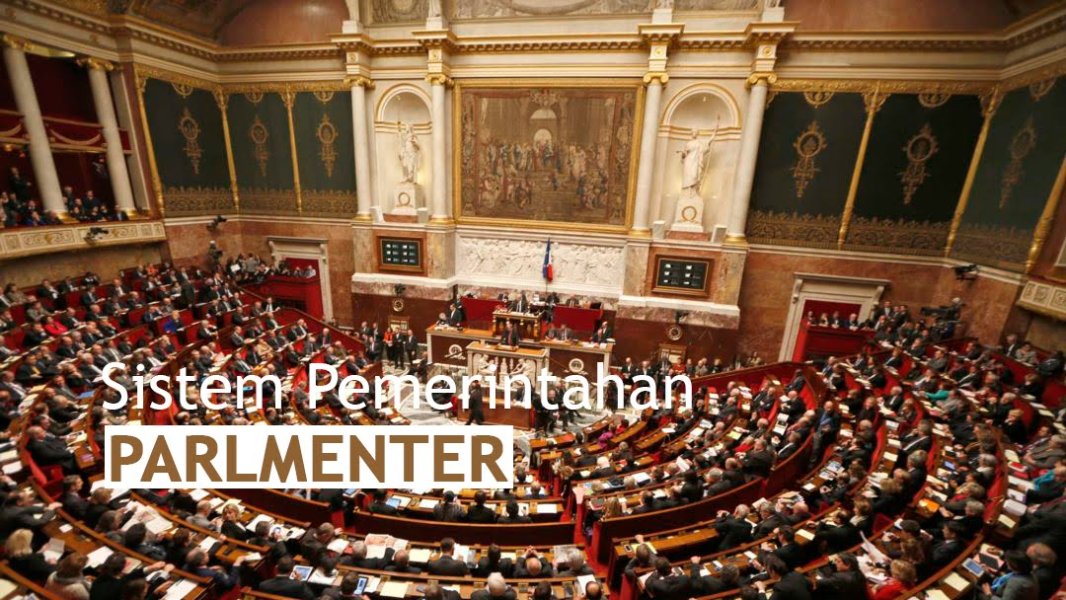
Sistem pemerintahan parlementer adalah suatu model politik di mana kekuasaan eksekutif berada di tangan kabinet yang bertanggung jawab langsung kepada parlemen. Jika kabinet kehilangan kepercayaan, maka dapat diganti. Artikel ini mengulas secara lengkap konsep sistem parlementer, karakteristik utama, kelebihan, kekurangan, serta contoh penerapannya di berbagai negara. Apa Itu Sistem Pemerintahan Parlementer? Sistem parlementer berasal dari istilah bahasa Prancis parler yang berarti “berbicara”. Hal ini mencerminkan aktivitas diskusi dan pengawasan parlemen dalam proses pemerintahan. Dalam sistem ini, perdana menteri dan kabinetnya diangkat dari parlemen dan harus mendapatkan kepercayaan legislatif agar tetap berkuasa. Menurut ahli politik Maurice Duverger, sistem parlementer adalah pemerintah yang dibentuk oleh partai atau koalisi mayoritas di parlemen. Kabinet bertanggung jawab kepada parlemen secara langsung. Definisi Merriam-Webster menegaskan bahwa kekuasaan eksekutif nyata berada di kabinet, yang anggotanya berasal dari legislatif dan bertanggung jawab bersama-sama pada parlemen. Baca Juga : Mengenal Sistem Pemerintahan Presidensial Secara Lengkap Ciri-Ciri Khas Sistem Parlementer Perdana menteri merupakan anggota parlemen dan berasal dari partai mayoritas atau koalisi partai di legislatif. Kabinet bertanggung jawab kolektif kepada parlemen dan harus mengundurkan diri jika kehilangan dukungan. Kepala negara berperan simbolis, sedangkan kepala pemerintahan memegang kekuasaan eksekutif. Hubungan antara legislatif dan eksekutif bersifat fusi kekuasaan, bukan pemisahan seperti sistem presidensial. Kelebihan Sistem Parlementer Responsif terhadap dukungan parlemen karena pemerintahan dapat diganti kapan saja jika kehilangan kepercayaan. Fleksibilitas pergantian kabinet tanpa harus menunggu masa jabatan habis, menjaga stabilitas politik. Koordinasi erat antara legislatif dan eksekutif memudahkan pembentukan kebijakan. Pemerintahan koalisi memungkinkan representasi lebih luas dari berbagai kelompok masyarakat. Kekurangan Sistem Parlementer Potensi instabilitas politik jika mayoritas di parlemen rapuh atau koalisi mudah pecah. Konsentrasi kekuasaan dalam partai mayoritas dapat melemahkan fungsi pengawasan. Kurangnya pemisahan kekuasaan menyebabkan mekanisme checks and balances kurang maksimal. Ketergantungan tinggi pada disiplin partai politik yang dapat membatasi independensi kebijakan. Baca Juga : Mengenal Tiga Sistem Pemerintahan di Dunia Secara Lengkap (Ar) Referensi : “Parliamentary system.” Encyclopaedia Britannica. “PARLIAMENTARY FORM OF GOVERNMENT.” Unit IV, University of Kashmir. “Parliamentary System of Government — Ulearngo”. “Parliamentary System.” Tone Academy. Merriam-Webster, “parliamentary government.”  

Mengenal Sistem Pemerintahan Presidensial Secara Lengkap

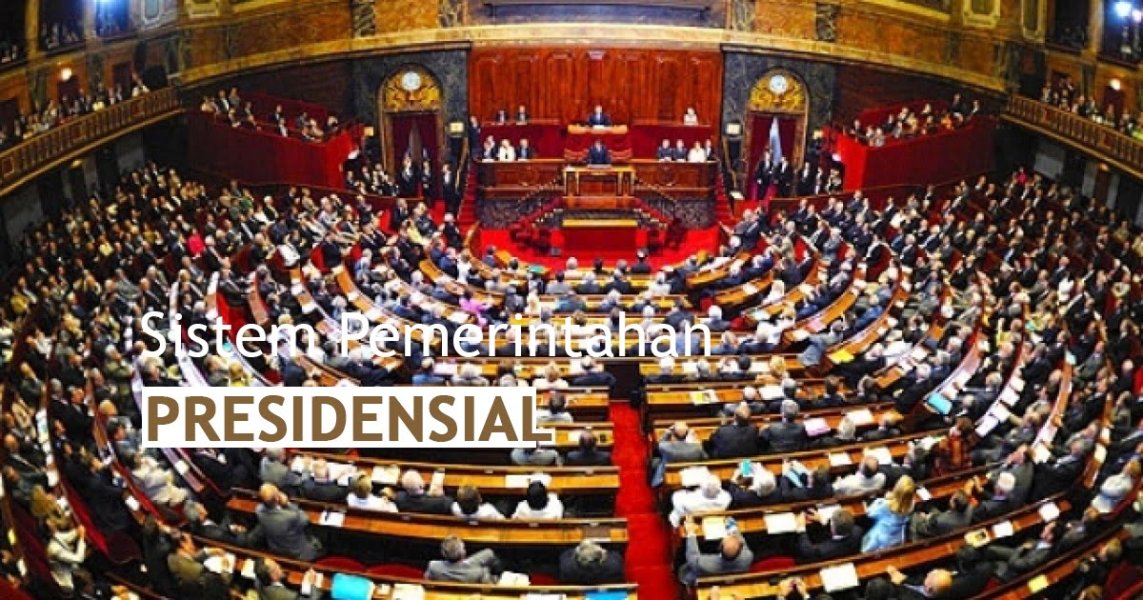
Wamena - Sistem pemerintahan presidensial adalah bentuk pemerintahan di mana presiden terpilih memegang jabatan sebagai kepala negara dan pemerintahan secara independen dari legislatif, artikel ini menjelaskan pengertian, karakteristik, kelebihan dan kekurangannya sebagai panduan lengkap bagi pemahaman publik Apa Itu Sistem Pemerintahan Presidensial? Secara etimologis, istilah “Presidensial” berasal dari bahasa Inggris presidential, yang bersumber dari kata dasar president (presiden), yaitu kepala negara yang sekaligus memimpin pemerintahan. Kata president sendiri berasal dari bahasa Latin praesidens (bentuk dari praesidere) yang berarti memimpin, mengawasi, atau duduk di depan. Dalam konteks ilmu politik, sistem pemerintahan presidensial adalah bentuk sistem pemerintahan di mana presiden memegang kekuasaan eksekutif secara penuh dan tidak bertanggung jawab kepada lembaga legislatif (parlemen), melainkan langsung kepada rakyat melalui pemilihan umum Baca Juga : Sistem Noken Papua, Demokrasi Unik di Tanah Papua Pengertian Menurut Para Ahli: Maurice Duverger Menjelaskan bahwa sistem presidensial adalah sistem pemerintahan di mana presiden dipilih secara langsung oleh rakyat dan tidak dapat dijatuhkan oleh parlemen, kecuali melalui mekanisme hukum seperti impeachment. Herman Finer Menjelaskan bahwa sistem presidensial menempatkan presiden sebagai kepala negara sekaligus kepala pemerintahan, dengan kekuasaan yang berasal dari mandat rakyat. C.F. Strong Mengartikan sistem presidensial sebagai sistem di mana kekuasaan eksekutif dan legislatif terpisah secara tegas, sehingga tidak ada dominasi satu lembaga atas lembaga lainnya. Bagir Manan (ahli hukum tata negara Indonesia) Menyebut bahwa sistem presidensial merupakan sistem yang menekankan prinsip pemisahan kekuasaan (separation of powers) antara eksekutif, legislatif, dan yudikatif secara fungsional. Karakteristik Utama Sistem Presidensial Beberapa ciri khas yang sering ditemukan pada sistem pemerintahan presidensial antara lain: Presiden dipilih secara langsung oleh rakyat atau melalui sistem yang ditentukan undang-undang, bukan oleh parlemen. Presiden memegang jabatan tetap dengan masa jabatan yang jelas dan tidak mudah dijatuhkan oleh legislatif hanya karena isu politik biasa. Eksekutif dan legislatif memiliki legitimasi yang berbeda dan saling berdiri sendiri, sehingga parlemen tidak secara otomatis dapat membubarkan presiden atau kabinetnya hanya karena kehilangan dukungan mayoritas legislatif. Adanya mekanisme checks and balances atau saling kontrol antara lembaga-lembaga pemerintahan, agar tidak terjadi penguasaan kekuasaan oleh satu lembaga saja. Baca Juga : Mengenal Tiga Sistem Pemerintahan di Dunia Secara Lengkap Kelebihan Sistem Presidensial Sistem ini memiliki sejumlah keunggulan yang sering dikemukakan oleh para pendukungnya, yaitu: Stabilitas kepemimpinan: Karena presiden memegang jabatan tetap dan tidak bergantung langsung pada politik parlemen, perubahan pemerintahan tidak terjadi terlalu sering akibat pergantian mayoritas legislatif. Legitimasi langsung: Presiden yang dipilih langsung oleh rakyat dianggap memiliki mandat yang jelas, sehingga rakyat merasa memiliki wakil eksekutif yang mewakili suara mereka. Pemisahan kekuasaan yang jelas: Dengan pembagian yang tegas antara eksekutif, legislatif dan yudikatif, potensi penyalahgunaan kekuasaan bisa dikurangi jika mekanismenya berjalan baik. Kekurangan Sistem Presidensial Namun demikian, sistem ini juga menghadirkan tantangan dan kelemahan yang tidak bisa diabaikan, seperti: Potensi deadlock legislatif-eksekutif: Karena presiden dan parlemen dipilih secara terpisah dan tidak bergantung satu sama lain, terdapat risiko konflik antar lembaga yang menghambat proses legislasi atau pemerintahan sehari-hari. Kesulitan dalam penggantian pimpinan: Jika presiden gagal, sistem mungkin lebih sulit melakukan pergantian cepat dibanding sistem parlementer yang memungkinkan parlemen mengganti perdana menteri lebih fleksibel. Kekuatan eksekutif yang terlalu besar: Meskipun ada mekanisme kontrol, dalam praktiknya presiden bisa memiliki ruang manuver yang cukup luas Negara yang Menganut Sistem Presidensial: Beberapa negara yang menerapkan sistem pemerintahan presidensial antara lain: Amerika Serikat Indonesia Filipina Brasil Meksiko Baca Juga : Verifikasi Parpol : Tahapan, Dasar Hukum, dan Upaya Mencegah Kecurangan dalam Pemilu Relevansi Sistem Presidensial di Indonesia: Indonesia secara tegas menganut sistem pemerintahan presidensial sebagaimana tercantum dalam UUD 1945, terutama setelah amandemen, di mana presiden memiliki kedudukan yang kuat karena dipilih langsung oleh rakyat dan memiliki kewenangan untuk mengangkat menteri. Namun, kekuasaan presiden tetap diawasi oleh DPR dan lembaga-lembaga lain sebagai wujud checks and balances. Sistem pemerintahan presidensial ini juga dianggap efektif dalam menjaga stabilitas politik karena masa jabatan presiden bersifat tetap, meski di sisi lain menuntut kedewasaan politik agar tidak terjadi kesenjangan antara kekuasaan eksekutif dan legislatif. (Ar) Referensi : Undang-Undang Dasar Negara Republik Indonesia Tahun 1945 Maurice Duverger, Political Parties: Their Organization and Activity in the Modern State Bagir Manan, Lembaga Kepresidenan (2003) C.F. Strong, Modern Political Constitutions Encyclopedia Britannica, “Presidential System of Government”  

Populer

Belum ada data.